
Are you confident explaining what gut health is?
Turns out only 17% of us Kiwis are, even the experts haven’t had a consensus until this year.
What is gut health?
A new 2026 scientific consensus defines gut health as normal gastrointestinal function, without active gut disease, and without gut-related symptoms that significantly affect quality of life.
Gut health is basically how happy your insides are – from what goes in your mouth to what comes out the other end – and it affects everything from your poos to your mood.
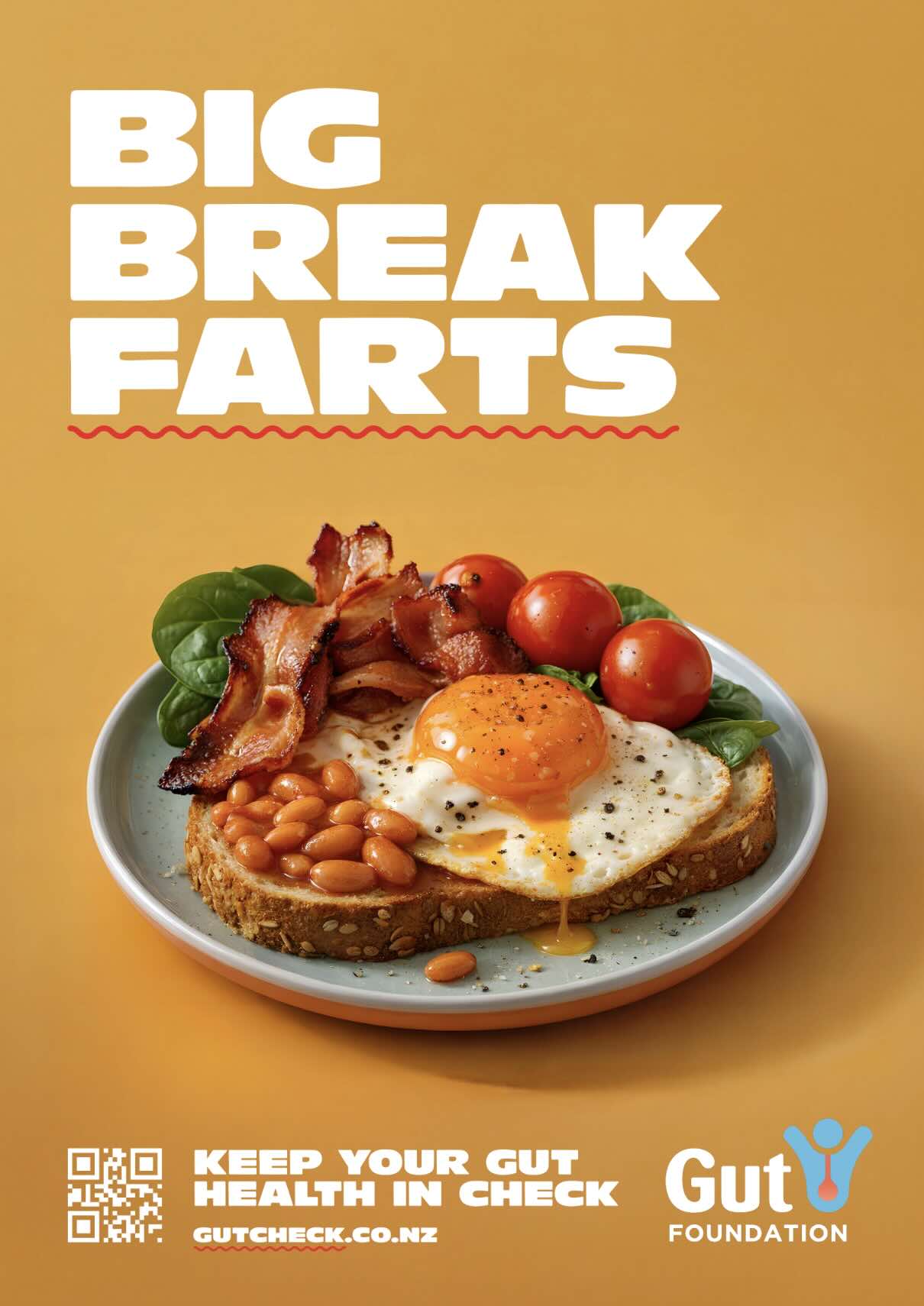
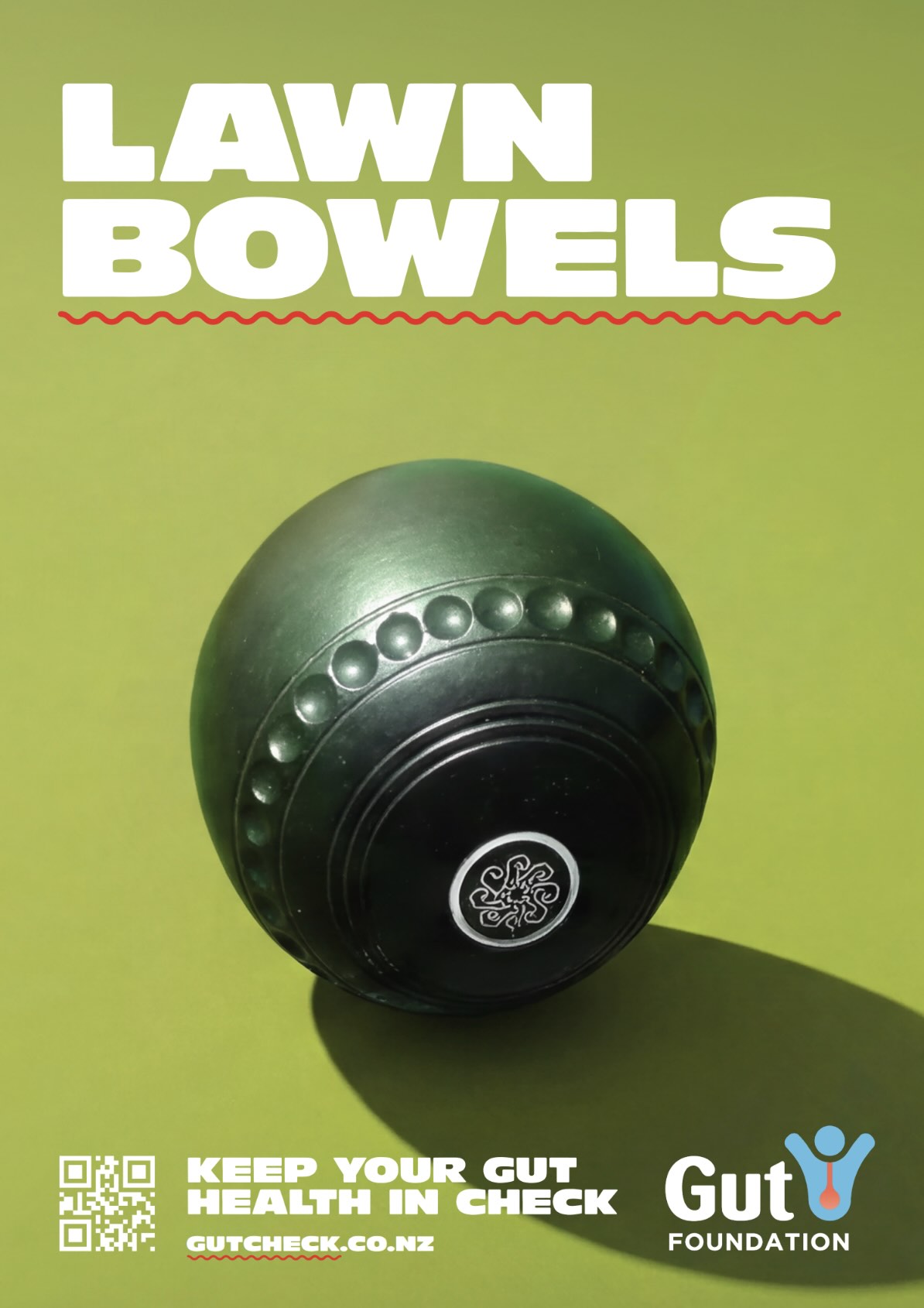
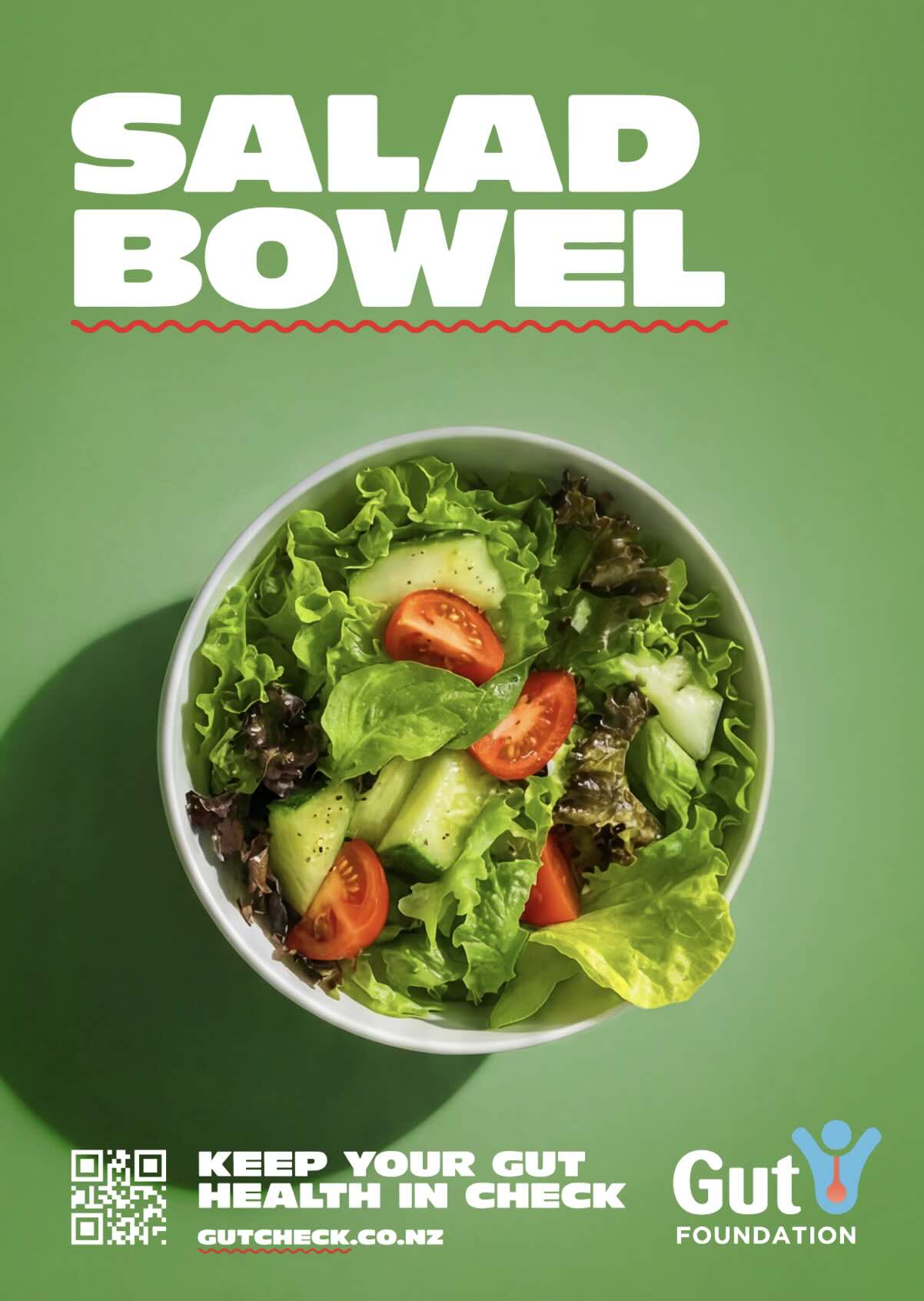
Download our Gut Check posters
These are our Gut Check campaign posters — designed to start conversations and get people talking about gut health.
Put one up at work. Send one to that person who keeps ignoring their screening reminder. You know who.



Gut myths worth fact‑checking
The gut health world is full of big claims and pricey products. Here’s a quick myth-buster to help you sort the science from the sales pitch.
Myth"Colonics are the ultimate gut detox."▼
Myth"Gluten‑free is always healthier for your gut."▼
Myth"All fermented foods are probiotic."▼
Myth"A probiotic pill or drink will fix your gut."▼
Myth"Detox teas will clean out all the bad stuff."▼
MythYou need next‑gen 'biotics' stacked to the ceiling.▼
Myth"You can never have too much fibre."▼
Myth"A flat stomach means a healthy gut."▼
Myth"You can heal your gut in 3 days."▼
Myth"Max out fibre as fast as possible."▼
MythCollagen shots and bone broth will "seal your leaky gut."▼
MythOne 'inflammatory' snack will wreck your gut.▼
Core gut facts
Inside your gut lives a community of trillions
Inside your gut lives a busy community of trillions of microbes – bacteria, fungi and other tiny organisms. They help you break down food, make vitamins, train your immune system and send signals that can influence your mood and thinking.
Your microbiome community lives in your large intestine or colon – and what you eat and how you live can shift this community in a matter of weeks.
A plant‑rich, less‑processed way of eating, regular movement and stress‑supporting habits like sleep and downtime all help build a more diverse, resilient microbiome. In Aotearoa New Zealand, early research suggests different ethnic groups have different “typical” gut bugs – a reminder that there’s no one perfect microbiome, and that culture and food traditions matter.
You’re not just your genes
You’re not a walking list of “things that run in the family”. Your gut is chatting all day with your brain, heart, immune system, liver and even your skin.
Your everyday choices can nudge those chats in a healthier direction.

Movement for your microbes
Mind Your microbes, mind your mood
Gut and mood problems often show up together. That doesn’t mean it’s “all in your head” – it means your gut, immune system and brain are in a tight loop.

From stress zone to rest & digest zone
Feed your microbes – Nurture your mind
You’re not just feeding yourself – you’re feeding trillions of tiny flatmates. Those gut microbes help make brain‑active chemicals that can affect how calm, focused or upbeat you feel.